Custom Preloader Icon
Loading ...

Gun Parts

Browse our inventory of gun parts from trusted brands like Global Ordnance, DoubleStar, D&H Tactical, Byrna Technologies, and C&H Precision. Chesapeake Gunslingers carries quality, reliable gun parts built for hobbyist gunsmiths, custom builders, and shooters looking to upgrade, repair, or maintain their firearms. From triggers and barrels to grips, stocks, and small components, we stock a wide range of parts to keep your guns running smoothly and tailored to your preferences. Explore our handgun parts, rifle parts, and shotgun parts to find the right components for your next build or upgrade. Round out your kit with magazines, scopes sights and optics, and ammunition options like rifle ammunition, handgun ammunition, and shotgun shells from our full lineup.

Filter by:
Price Range
Price Range - slider
$ 0.0 $ 19142.0
Category
Filter By Category
Brands
Filter By Brands
Product Type
Filter By Product Type
Caliber
Filter By Caliber
Grain Weight
Filter By Grain Weight
Barrel Length
Filter By Barrel Length
Filter By Fit
Filter By Fit
Model
Filter By Model
Stock
Stock Status
Price Range
Price Range - slider
$ 0.0 $ 19142.0
Category
Filter By Category
Brands
Filter By Brands
Product Type
Filter By Product Type
Caliber
Filter By Caliber
Grain Weight
Filter By Grain Weight
Barrel Length
Filter By Barrel Length
Filter By Fit
Filter By Fit
Model
Filter By Model
Stock
Stock Status

Gun Parts Buying Guide

Browse gun parts online by comparing models, checking current availability, and reviewing specifications such as caliber, capacity, barrel length, and sight configuration. Choosing the right components depends on your platform, intended use, and whether you are performing routine maintenance or upgrading for performance.

Use these pointers to focus your selection:

  • Identify your platform’s exact make and model before ordering, since service-life components for handguns like recoil springs, extractors, and firing pins vary across striker-fired, hammer-fired, and revolver designs even within the same brand lineup.
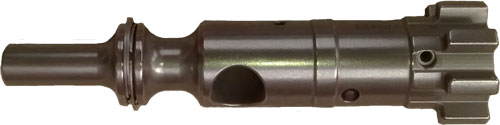
  • Plan ahead for maintenance components specific to your rifles, since bolt carrier groups, gas rings, extractors, and buffer assemblies benefit from proactive replacement based on round count rather than waiting for a malfunction.
  • Pick up replacement parts for your shotguns like extractors, ejectors, magazine springs, action bars, and stock hardware, since these wear items affect cycling and reliability across heavy use.
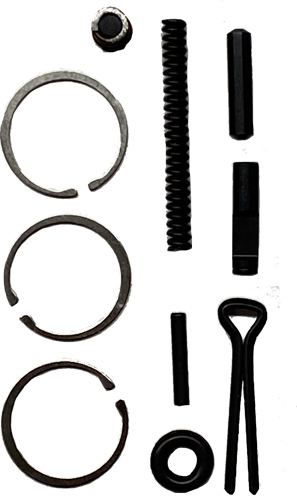
  • Save time on builds and major service jobs with gun parts kits, since complete lower parts kits, small parts kits, and rebuild kits give you matched components in one package rather than ordering parts individually.
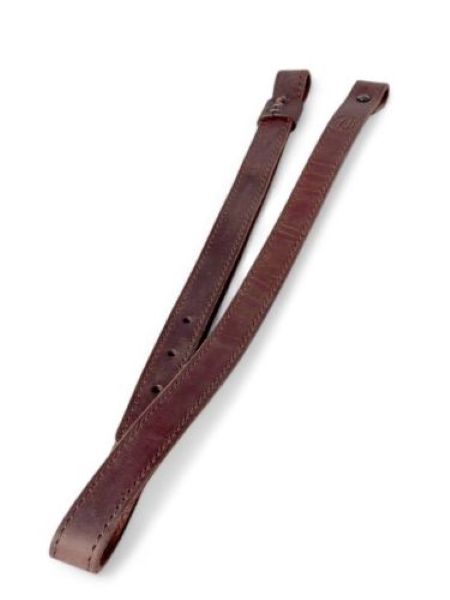
  • Outfit your long guns with quality slings and sling parts, since two-point, single-point, and adjustable slings each suit different applications, and quality QD swivels and sling mounts keep the system reliable in the field.
  • Restore or upgrade vintage lever guns with quality lever action parts like loading gates, magazine tubes, lever springs, and butt plates, since these classic platforms benefit from period-correct or properly fitted aftermarket components.

Local And Compliance Notes

Order gun parts online or visit the gun shop in Fallston, Maryland to confirm fitment with your specific firearm and ask about compatibility before committing to a build or upgrade. Chesapeake Gunslingers serves customers in the nearby cities of Bel Air, Whitemarsh, Forest Hill, Joppa, and Abingdon, stocking maintenance components, build parts, and performance upgrades for popular handgun, rifle, and shotgun platforms.

Most non-firearm components ship without federal restrictions, but stripped lower receivers, complete frames, and certain regulated parts qualify as firearms under federal law and require transfer through a licensed dealer with the standard background check. Buyers picking up a regulated part must complete ATF Form 4473 and meet federal and state eligibility requirements. Maryland additionally classifies certain components as regulated firearms parts that must be transferred through a licensed dealer, including some configurations associated with the state’s assault weapons law.

Some upgrades and replacements may benefit from professional installation, particularly fire control components, barrels, and headspace-sensitive parts, so consult a qualified gunsmith when in doubt. Store loose parts in clean, dry containers organized by platform (with Maryland’s humid climate making sealed storage particularly important), and contact the shop with questions about availability, fitment, or special-order components.
Frequently Asked Questions About Gun Parts

1. Do I need a background check to buy gun parts?

+

Most gun parts ship without restriction and do not require a background check, but stripped lower receivers, complete frames, and certain serialized components qualify as firearms under federal law and must be transferred through a licensed dealer. Always confirm whether a specific part is regulated before ordering.

2. Are AR-15 parts interchangeable across manufacturers?

+

Most AR-15 parts follow mil-spec dimensions and are broadly interchangeable across manufacturers, though some makers use proprietary takedown pin sizes, trigger pocket dimensions, or buffer tube threads. Always check fitment notes for the specific brand combination before ordering.

3. How often should I replace recoil springs in a semi-auto handgun?

+

Most manufacturers recommend replacing recoil springs every 3,000 to 5,000 rounds, though subcompact pistols with shorter, stiffer springs often need replacement more frequently. Worn recoil springs can cause sluggish slide return and reliability issues.

4. What is included in a typical AR lower parts kit?

+

A standard AR-15 lower parts kit usually includes the trigger, hammer, disconnector, fire control springs and pins, safety selector, magazine catch, bolt catch, takedown and pivot pins with detents and springs, buffer retainer, and grip screw. Some kits omit the trigger group for shooters installing aftermarket triggers.

5. Can I install gun parts myself or do I need a gunsmith?

+

Many maintenance and upgrade tasks are within reach of attentive owners with proper tools and reference materials, particularly drop-in components like recoil springs, sights, and grip modules. Headspace-sensitive work, barrel installation, and fire control fitting often benefit from a qualified gunsmith.

6. What is the difference between mil-spec and commercial AR parts?

+

The most common distinction is buffer tube diameter, with mil-spec tubes measuring approximately 1.148 inches and commercial tubes measuring approximately 1.168 inches at the receiver extension. Stocks must match the corresponding tube size to fit properly.

7. How should I store firearm parts long-term?

+

Store gun parts in clean, dry containers with light oil or a vapor-corrosion-inhibitor wrap to prevent rust on steel components. Maryland’s humid climate makes climate-controlled storage and proper rust prevention particularly important for preserving part condition.

8. Are gun parts considered firearms under federal law?

+

Most components are not regulated, but the part the ATF defines as the firearm (typically the receiver or frame) is regulated and must be transferred through a licensed dealer. The specific regulated part varies by platform, and Maryland may additionally regulate certain configurations under the state’s assault weapons law.

Satisfied Peoples are Saying